
01 — Stones Falling Out
Loose or missing stones can spoil an entire piece and lead to costly complaints, returns, and negative reviews.
And stone loss is not the only concern. Five common quality problems can damage customer confidence—and thoughtful manufacturing helps reduce the risks.
For fully stone-set jewelry, even a small defect can affect far more than one piece. Customer complaints, returns, negative reviews,and lost trust all have consequences for a growing jewelry brand.
Your customers see the finished jewelry, not the manufacturing decisions behind it. When something goes wrong, they hold your brand accountable.
Beautiful jewelry attracts customers. Reliable quality helps brands keep them.
See What Can Go Wrong—and How We Address It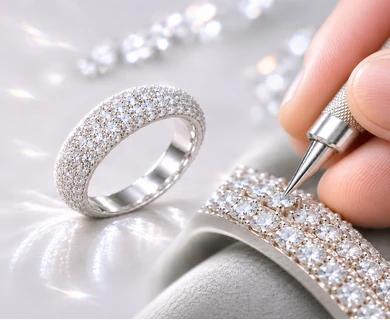
Your customers expect lasting brilliance, secure stones, and a carefully finished surface. When those expectations are not met, the impact reaches your brand.
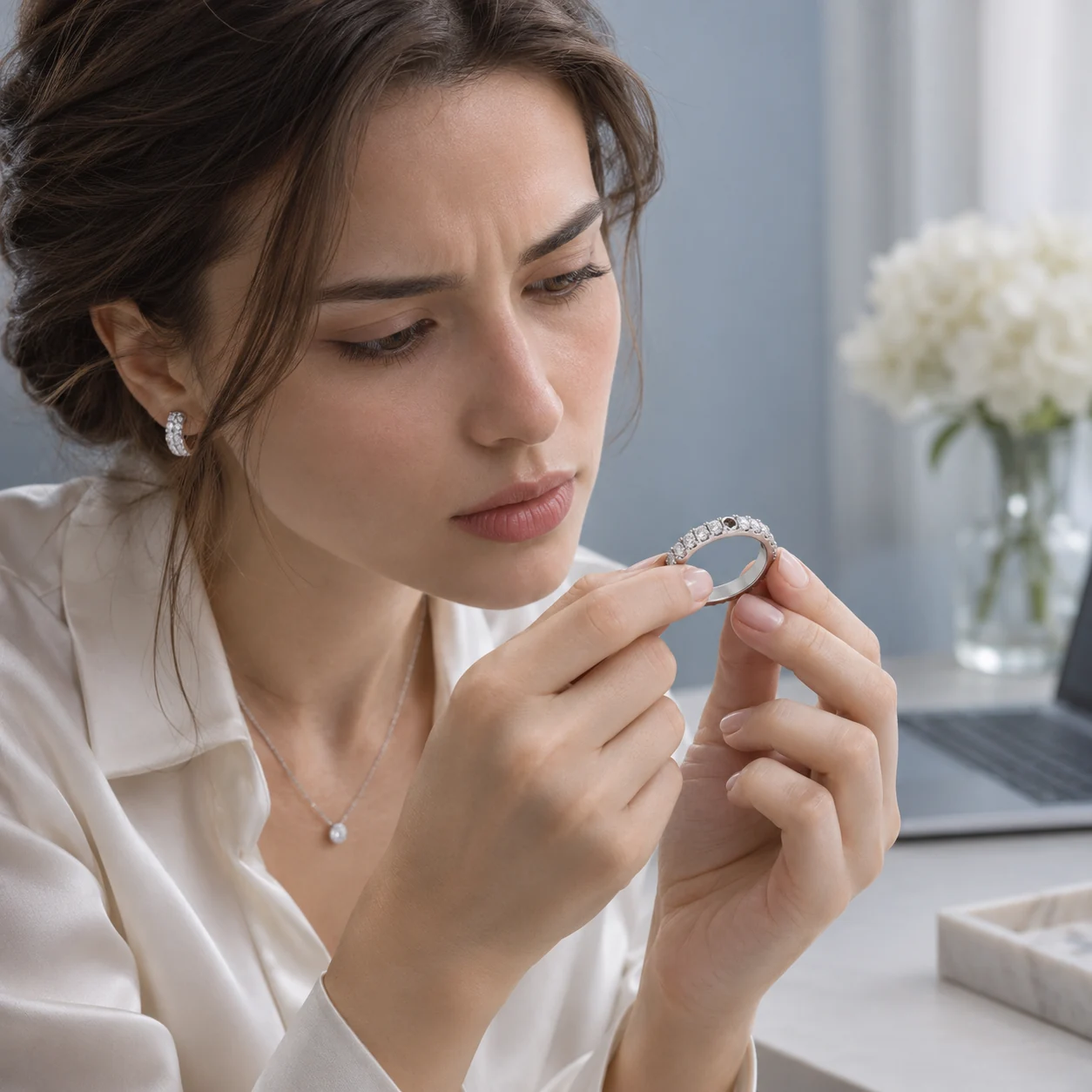
Loose or missing stones can spoil an entire piece and lead to costly complaints, returns, and negative reviews.
Unwanted yellow tones around the setting can make jewelry look aged and diminish its clean, brilliant appearance.
Darkened metal, surface discoloration, or uneven finishing can weaken the impression of quality and affect customer satisfaction.
Poor brilliance or inconsistent stone appearance can leave customers disappointed when the real product does not match their expectations.
Inconsistent stone height, spacing, or alignment can disrupt the smooth, uniform look expected from fully iced-out jewelry.
Stone loss, uneven settings, dull sparkle, and surface discoloration may have different immediate causes. Together, they point to four areas that deserve careful control in jewelry manufacturing.
Low-quality or inconsistent stones can affect brilliance, color consistency, and the overall visual result. A secure setting cannot compensate for a poorly matched stone.
A visually appealing design may still overlook stone retention, mounting support, and setting consistency. Stone security needs to be considered during product design—not left until the final production stage.
Weak setting methods or reliance on adhesive bonding can increase stone-retention risks. Separately, inadequate finishing and plating may contribute to yellowing, dark marks, or surface discoloration.
When inspection standards and practical evaluations are insufficient, avoidable defects may reach customers.
Beautiful jewelry requires more than beautiful design. It takes quality stones, sound engineering, skilled manufacturing, and effective quality control.
At WEMOIS, we combine selected moissanite, thoughtful setting engineering, and skilled hand-setting—so brilliant appearance and secure stone retention are designed together, not traded off.
We use mechanical stone-setting structures and skilled craftsmanship—not adhesive bonding—to secure stones in our jewelry.
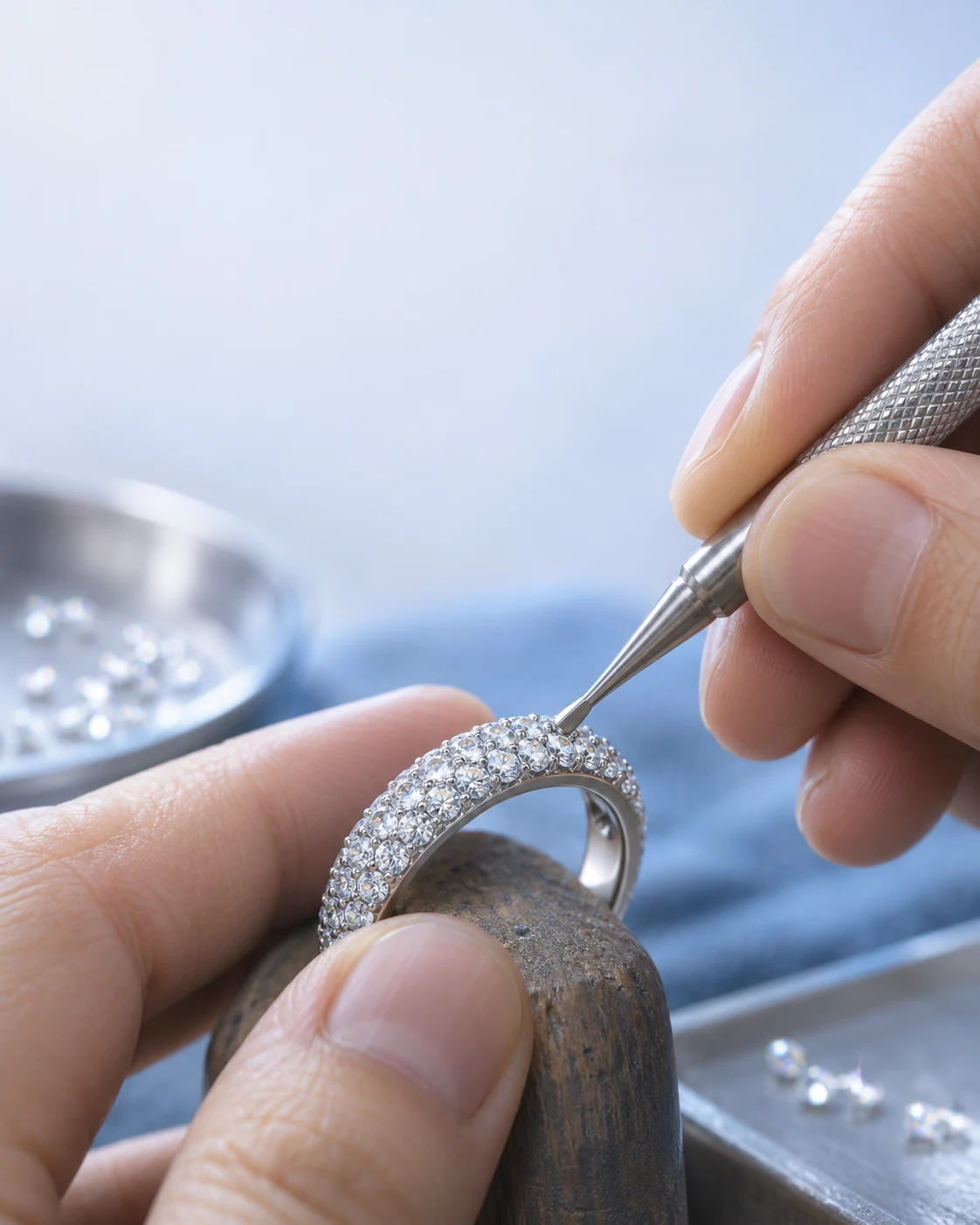
We use DEF-color, VVS1-clarity moissanite. Attention to stone cut, visual matching, and placement supports consistent brilliance across fully stone-set designs.
Stone security begins with the design. Our experienced team considers stone shape, size, mounting geometry, and metal support while balancing the visual result with manufacturing feasibility.
For applicable prong-style settings, our design approach uses at least three effective gripping points to improve stone security. Bezel, channel, and other setting structures rely on the appropriate mechanical retention methods for their geometry.
Our craftsmen set stones by hand, paying close attention to retention, stone height, spacing, alignment, and the finished surface. The objective is a secure setting without sacrificing the brilliance and even appearance of the design.
Prong · Bezel · Pavé · Micro Pavé · Channel · Cluster
From individual feature stones to dense micro-pavé and fully iced-out surfaces.
Beautiful by Design. Secure by Construction.
A beautiful finish matters. So does the way jewelry performs during everyday wear and handling.
In addition to routine quality checks, WEMOIS carries out practical trials on selected samples to evaluate stone security and identify opportunities to improve designs and processes.
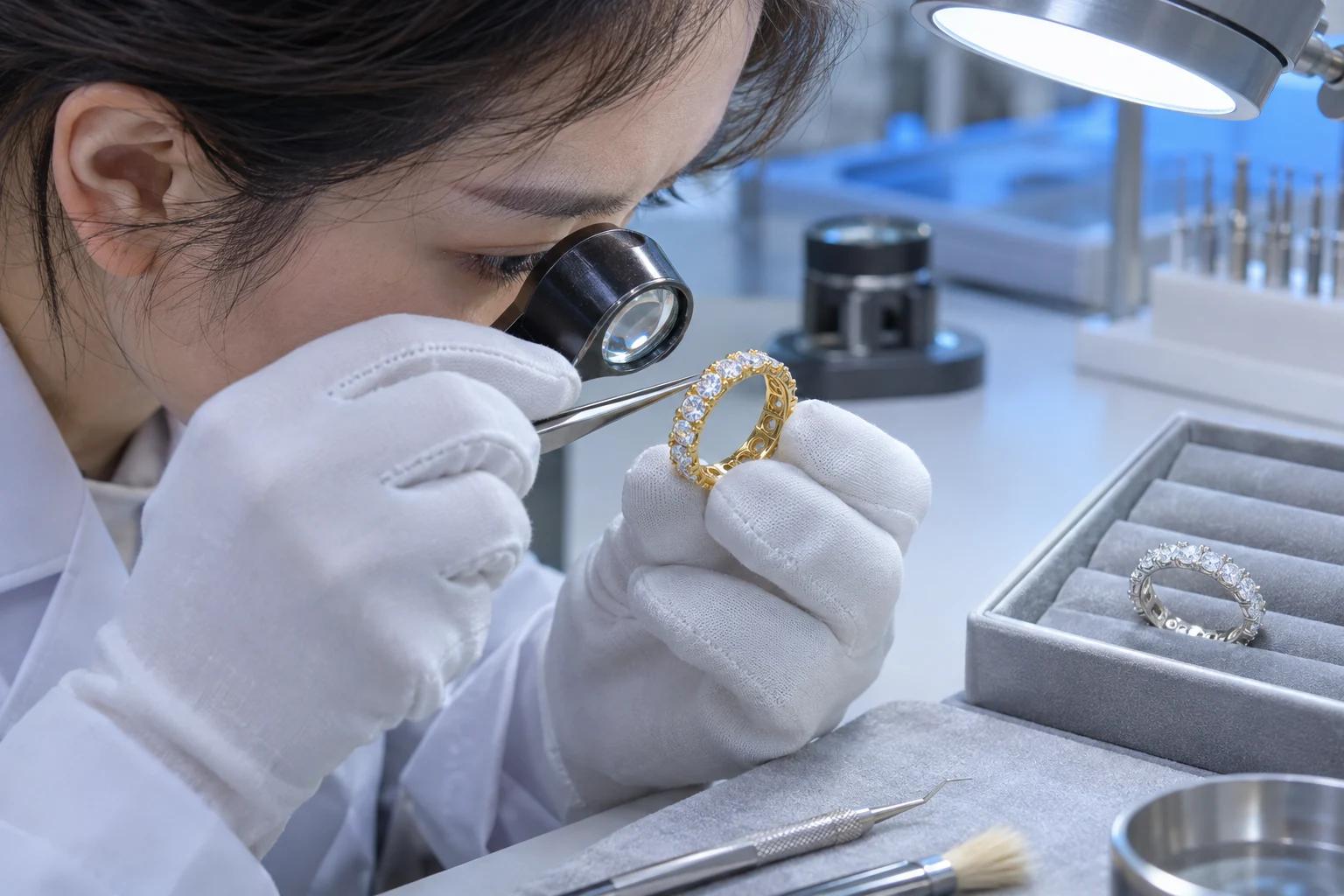
Our quality checks focus on stone positioning, setting security, alignment, surface evenness, and finishing quality.
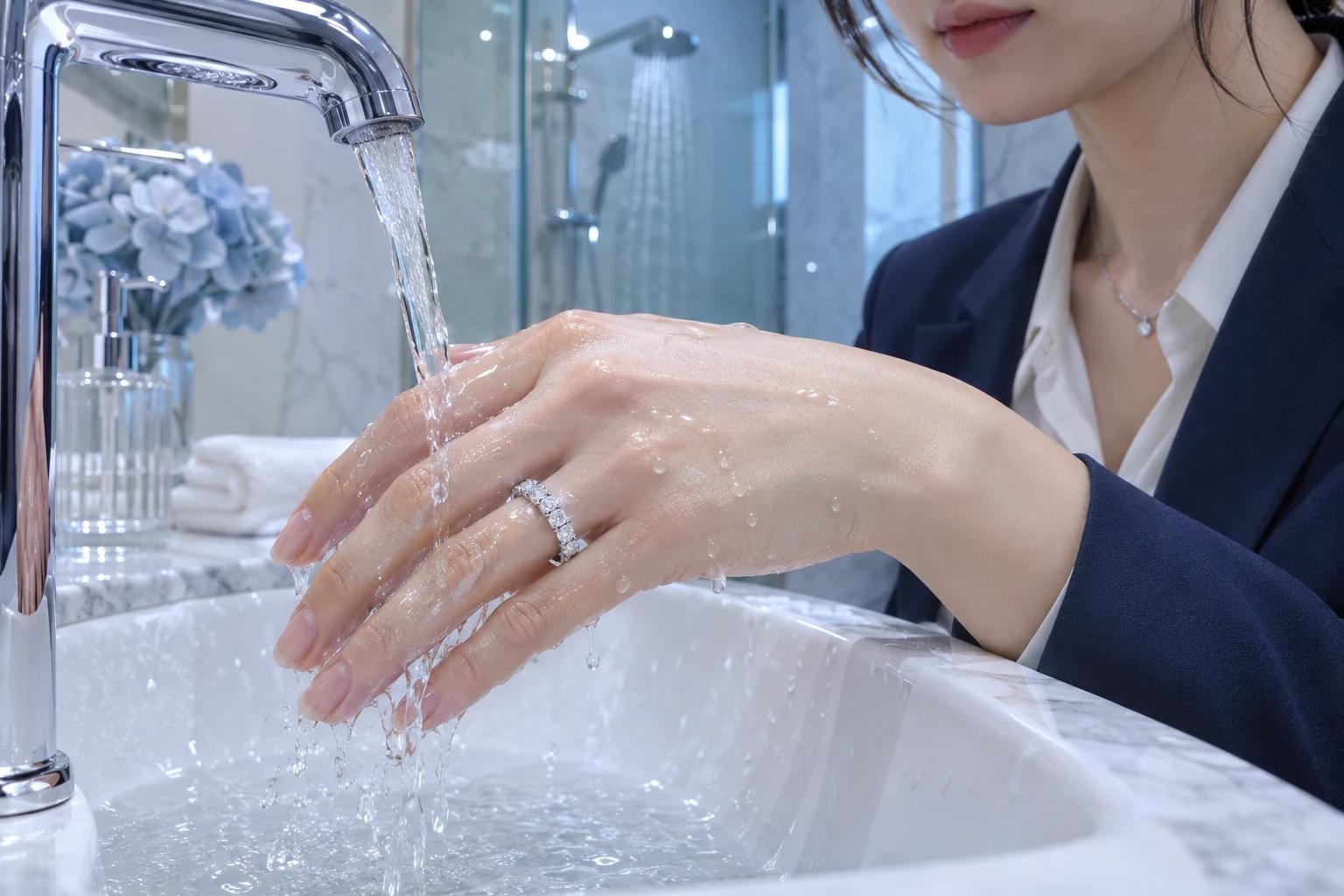
Our business manager personally wears selected samples for one month, including normal daily activities, sleeping, and showering, to observe their performance under everyday conditions.
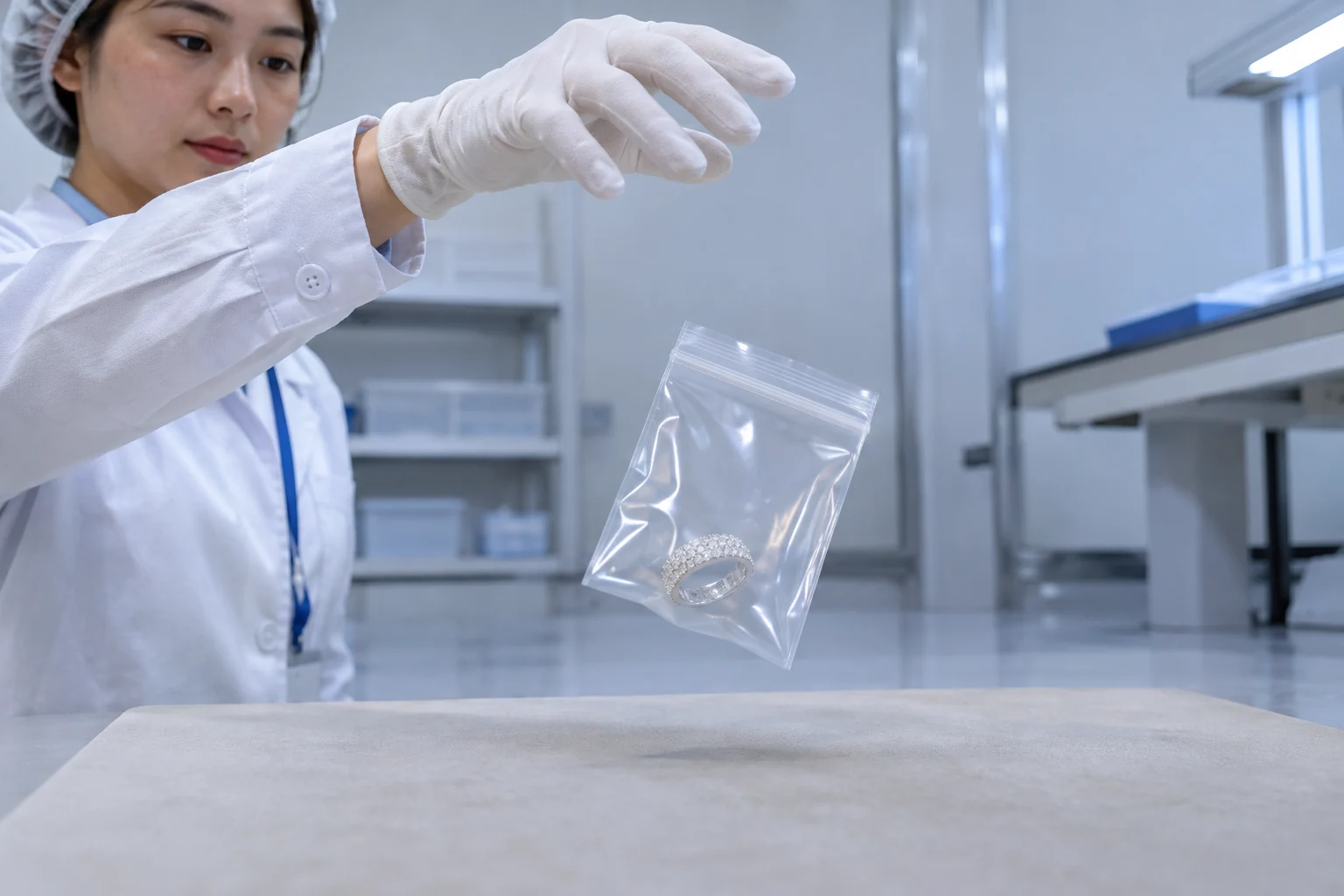
Selected samples are dropped from 1.5 meters onto hard surfaces and inspected afterward for loose or missing stones and visible damage. The findings help identify potential design or process weaknesses.
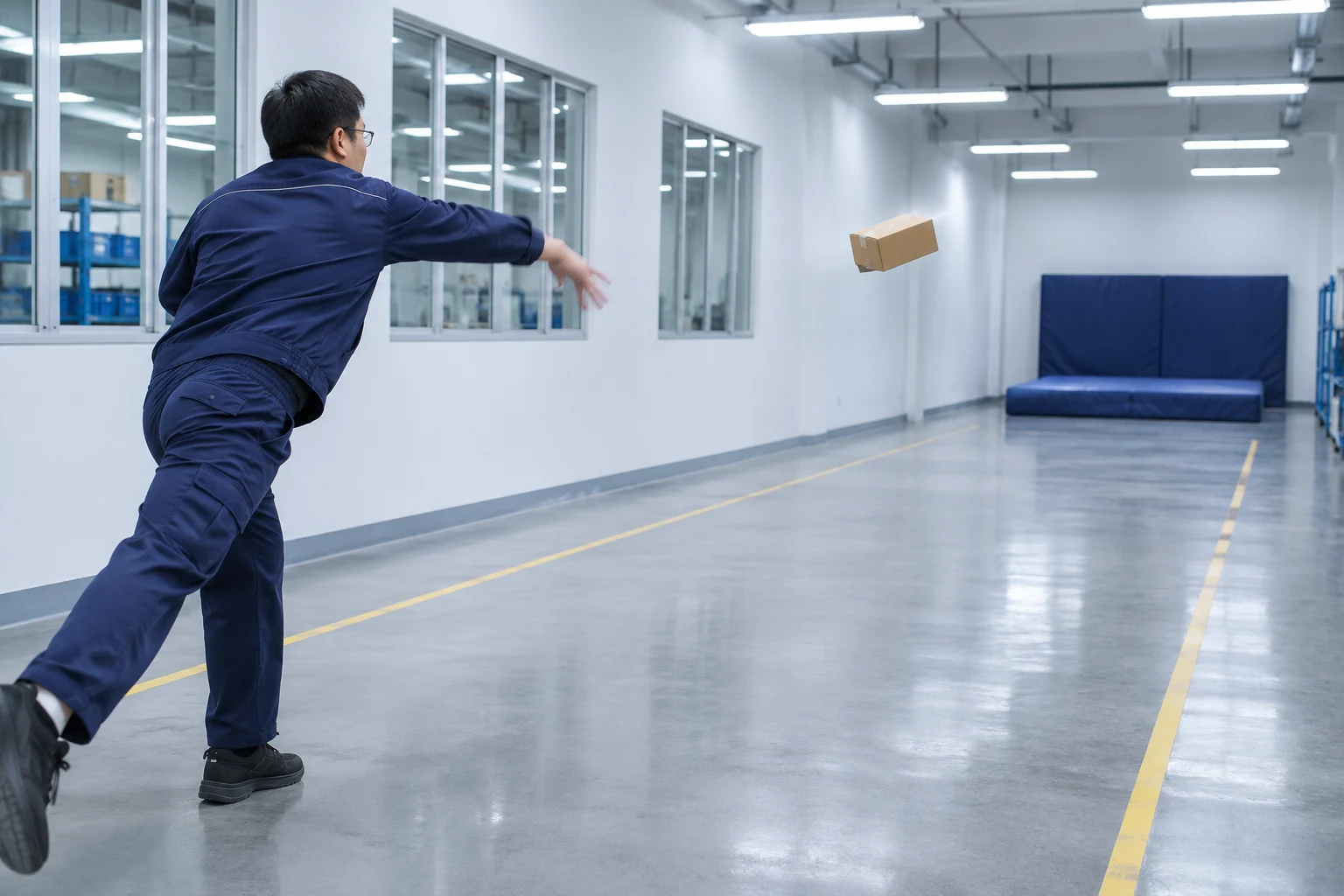
Simply packaged samples are thrown across a 10-meter distance to simulate rough handling during transportation, then checked for stone security and visible damage.
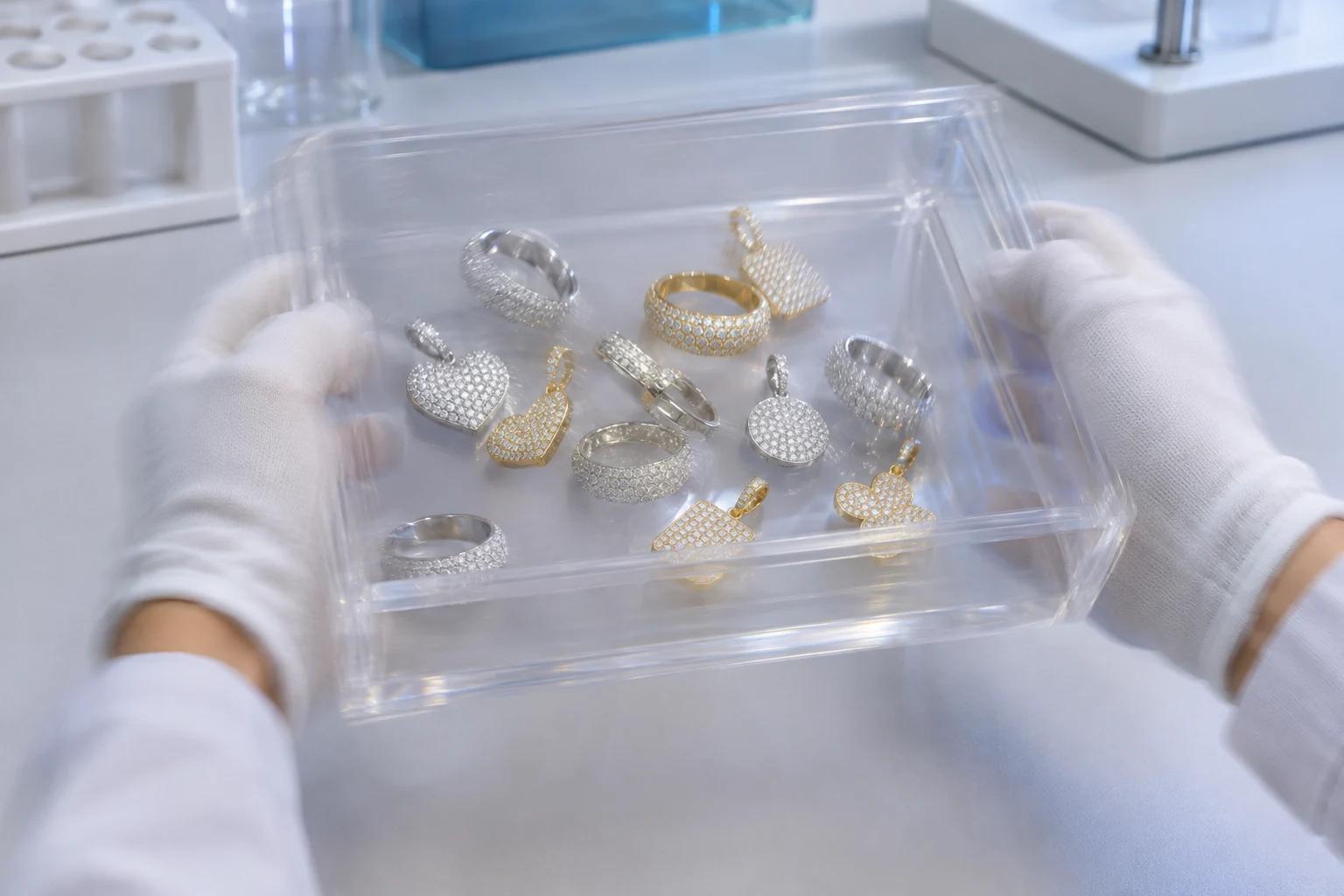
Samples placed in a 20 × 20 cm jewelry box are shaken back and forth for 10 cycles, followed by checks for loose or missing stones.
These are practical evaluations of selected samples, not a claim that every finished piece undergoes every trial or that damage is impossible under all conditions.
Developing a fully stone-set ring, tennis chain, earring, necklace, Jesus pendant, cross pendant.
WEMOIS brings together DEF-color, VVS1-clarity moissanite, design-led stone-retention engineering, skilled hand-setting, and practical quality evaluation to support your next collection.
Share your design or reference images, stone specifications, preferred metal, finish, and estimated quantities.
If you already have a setting spec or a sample from a previous supplier, send it—we’ll tell you what we can match and where the gaps are.
We'll discuss how the setting can be designed and manufactured for your project.
Discuss Your Stone Setting Requirements